The Methodology of the Closet
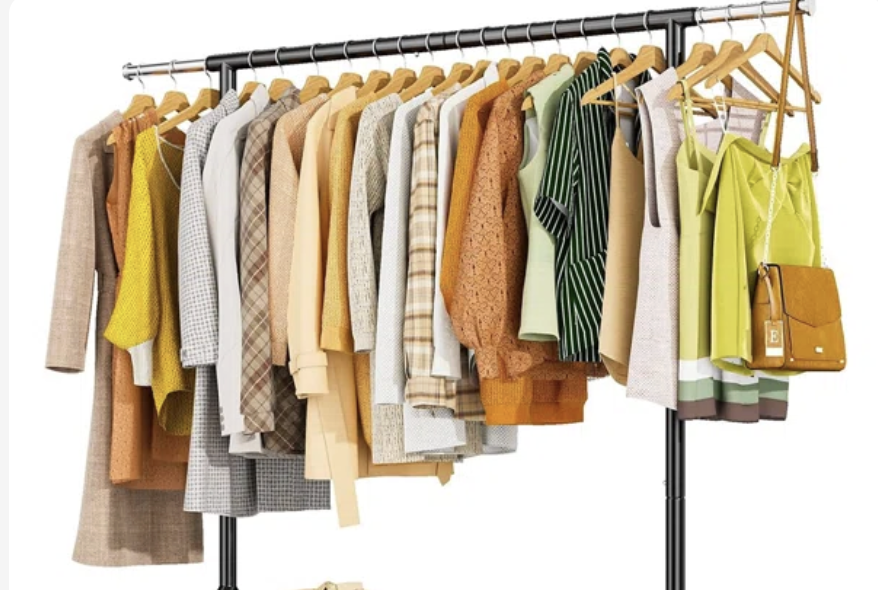
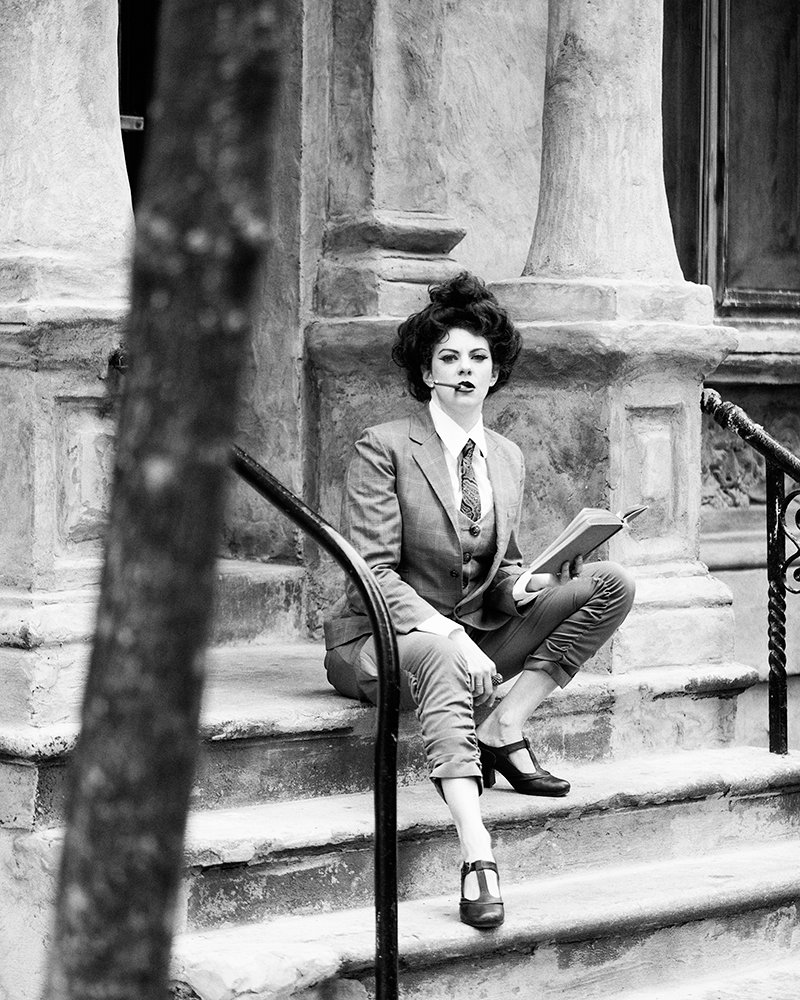
As I have packed up most of my femme attire, I have found myself drawn to critically reviewing its contents as illustrative of a journey around gender display, roles, role distance, play, and camp.
This has led to the development of a methodology where we can examine our closets as qualitative containers that house data, data that point to how we are showing up in the world, how we used to show up, and perhaps even how we will show up.
I will be using this page to review the contents of my closet as a way of more deeply investigating the evolution of my self presentation, as a way of saying goodbye, and as a way of honoring that journey.
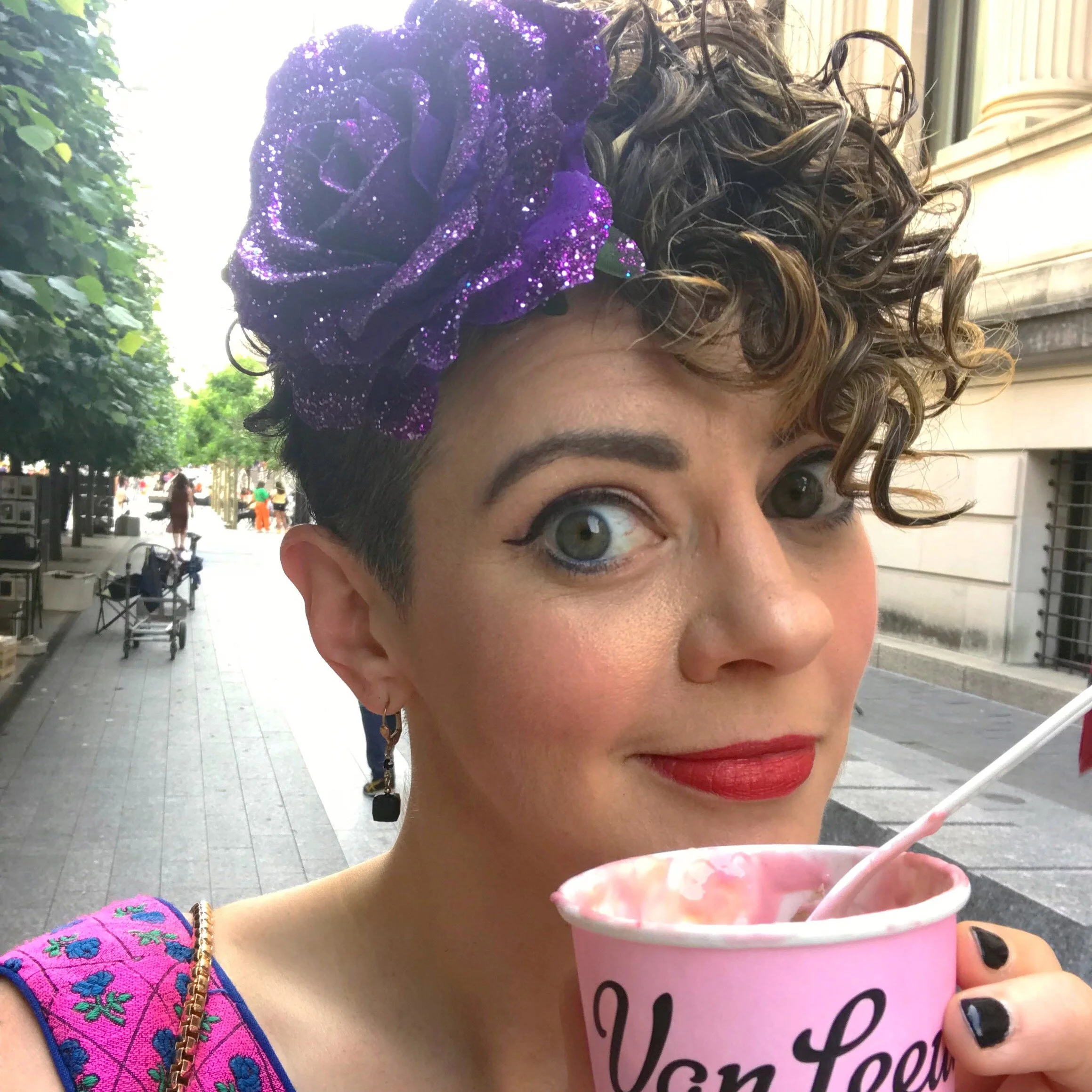

Perry Balmat’s Methodology of the Closet:
1) The Closet is a NEXUS of ACTIVITY (Scollon & Scollon, 2004). The closet is an active space. The door opens, it closes. One day, we feel like we can try something that feels risky. Another day, we don’t. Can you document the ACTIVITY of your Closet? What has been removed for good; what is new? Can you document the circulation of what is coming and going AND WHEN? Things moving to good will, things coming from good will. The closet is active—what did you take out to wear today? What did you take out but put pack? What did you see and say, hell yeah? What did you see and say “not today, Satan.”
2) Categories: What are the types of clothes we have? Dresses, skirts, pants, vests, blouses, oxfords, heels, flats.
3) Numbers: How many of each thing do we have? Does the number of a particular item tell us something about our gender presentation at some stage of our lives?
4) Historical legacy: What are the oldest items in the closet? Why have we kept them as long as we have? What is the newest and how does it shape our becoming?
5) Geography: Have these items traveled far? With you? How? When?
6) Relationship: Have these items been handed down, given, swapped, purchased old, purchased new? Is the person who had it before important to you?
7) Materials: What kinds of fabrics do you have (and have the most of). What do these fabrics says about your gender, the eras of fashion you’re drawn to?
8) Do we see the ebb and flow of our finances in our closets? I had very little money when I got divorced. I was running up credit card debt to pay for therapy. But now I have a bit more to play with.
9) Other: Other things get stored in our closets. It’s where my makeup is. So eyeliners, mascara, lipstick, setting spray, etc. It’s where jewelry is and also shoes, ties, bow ties, and pocket squares.
10) Start a journal: write about your pieces, how they make you feel, the eyeshadow, the vest, the gown, the lashes, the contouring palette.
11) Can you identify pieces that honor your journey? That you’re ready to release? That you are excited to bring in? That you’ll hold onto as a keepsake?
You might write about:
1) One thing in your closet you’ve wanted to get rid of but haven’t had the heart to.
2) One thing you wanted to buy/have in your closet, but didn’t for some reason
3) One thing in your closet (either now or as a kid) that was an early indicator of where you are now
4) A piece of clothing that you LOVE that you feel super affirmed in
HINTS ON HOW TO MOVE FORWARD
1) Describe the clothing item in detail—the feel, the fabric, the color, the style.
2) Describe how this item relates to the rest of your closet (is it LIKE many other items you wear, is it an outlier/unlike the rest of your closet).
3) How did you acquire the piece of clothing (purchased new, purchased old, swapped, given, handed down)? Does the relationship of who had the clothing piece before matter (if it is a used piece)?
4) Where does this piece FIT on your life’s journey? What story does it tell about your journey? How can you honor this piece as part of your journey?
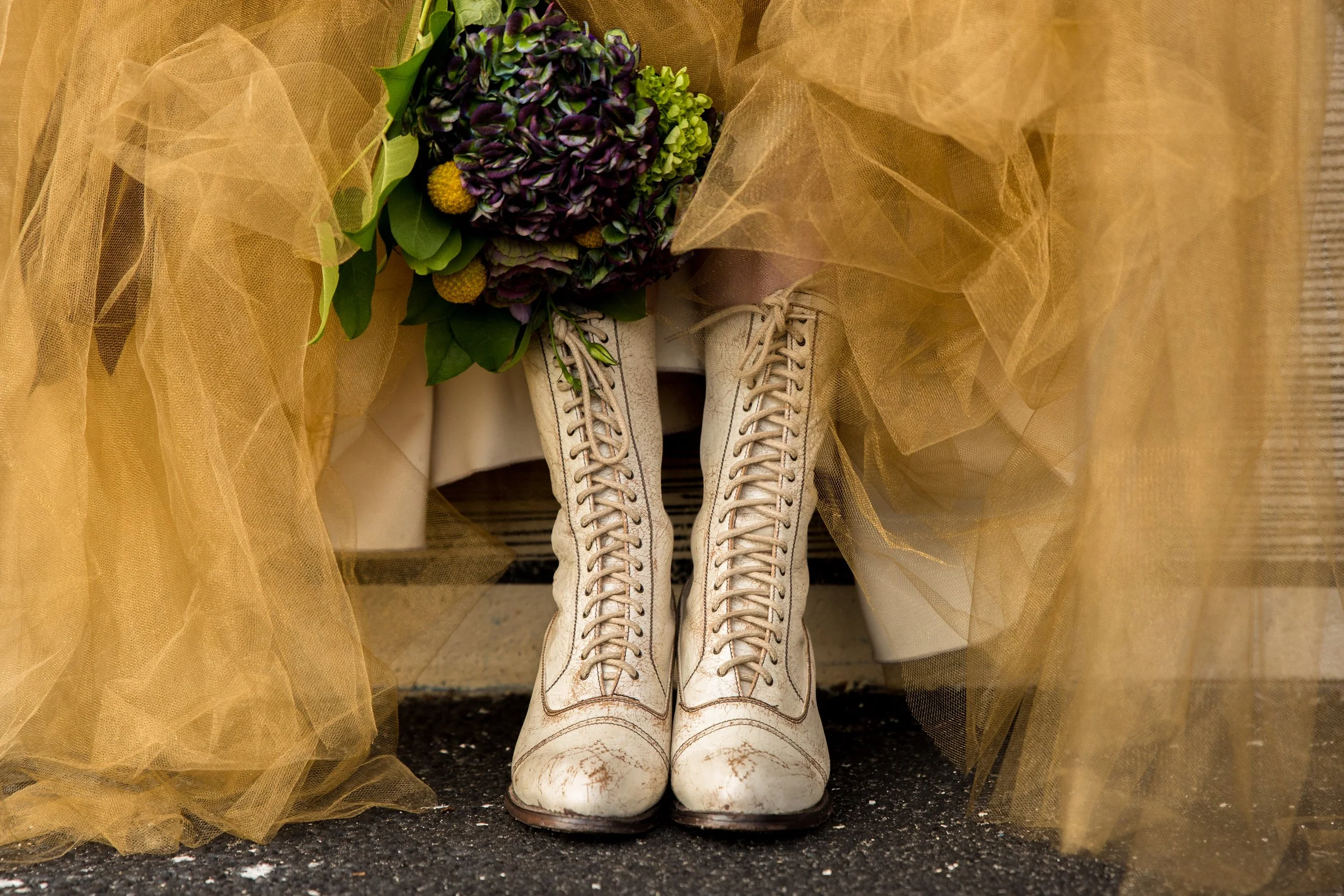
(Maybe) A Failure to Compromise: A Wedding Skirt
(Maybe) A Failure to Compromise: A Wedding Skirt